
Frequently asked questions and answers about a denture with implants
Introduction
A stable, natural‑looking smile is essential for eating, speaking, and feeling confident in everyday life. When tooth loss occurs, many people turn to removable dentures, only to discover that they can be unstable, uncomfortable, or difficult to adapt to. Today, one of the most effective solutions is a denture with implants, a modern approach that combines the stability of dental implants with the full‑arch coverage of a denture. This FAQ‑style guide answers the most common questions patients ask when exploring implant‑supported dentures and the different implant systems available.
What is a dental implant?
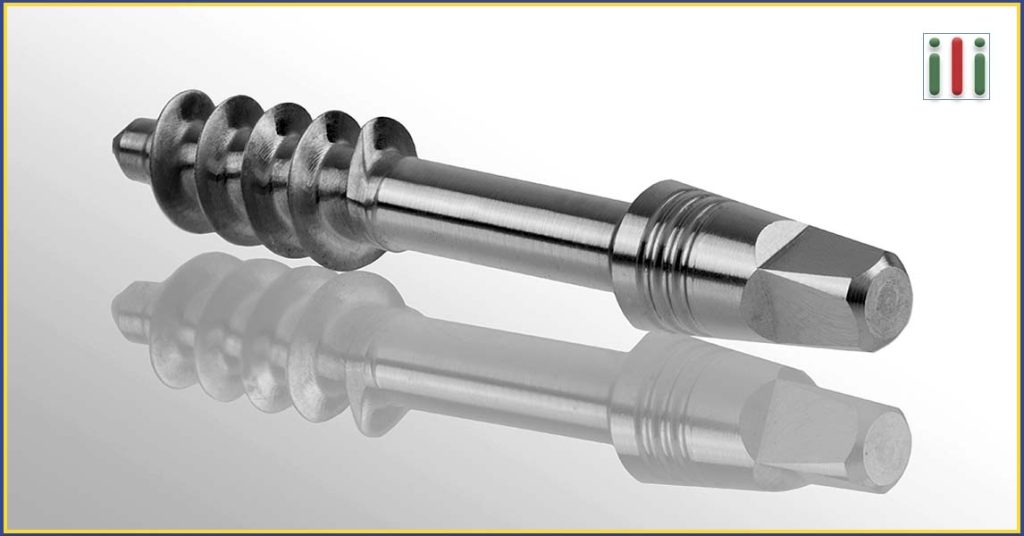
A dental implant is an artificial tooth root made of high‑purity titanium alloy. It is surgically placed into the jawbone to replace the root of a missing tooth. Once integrated with the bone, the implant provides a stable foundation for crowns, bridges, or full‑arch dentures. Dental implants are biocompatible, long‑lasting, and designed to mimic the function of natural tooth roots.
There are four main implant families used in modern dentistry:
Traditional two‑phase implants, placed in two surgical stages.
One‑phase implants, also known as immediate loading implants, which can be restored much sooner,
All-on-4 Technology, denture with four special implants,
All-on-6 Technology, denture with six special implants.
Each system has its own advantages, and the ideal choice depends on bone quality, treatment goals, and the patient’s overall health.
Why is a denture with implants recommended over a traditional removable denture?
A denture with implants offers significantly greater stability, comfort, and chewing efficiency than a removable denture. Because the denture is fixed to implants, it does not shift, loosen, or rub against the gums. Patients can eat a wider variety of foods, speak more confidently, and enjoy a natural‑looking smile that feels secure throughout the day.
Traditional dentures rely on suction or adhesive, which often leads to instability—especially in the lower jaw. Implant‑supported dentures eliminate these issues and provide a long‑term, predictable solution.
What is the difference between a two‑phase implant and a one‑phase implant?
Two‑phase implant (traditional system)
This is the most widely used implant system worldwide. It involves two surgical stages:
– The implant is placed into the bone and left to heal under the gum.
– After several months, a second procedure exposes the implant so the final restoration can be attached.
Two‑phase implants are ideal when bone conditions are favorable and when a staged, gradual approach is preferred. They are highly reliable but require a longer treatment timeline.
One‑phase implant (immediate loading implant)
The immediate loading implant is a single‑piece system designed to be placed and restored in one stage. It can often be used even in cases of bone deficiency, because it can be anchored in deeper, more stable bone regions. One‑phase implants allow for faster treatment and earlier function, making them an excellent choice for full‑arch rehabilitation.
What are All‑on‑4 and All‑on‑6 implant systems?
Both All‑on‑4 and All‑on‑6 are full‑arch solutions that use a fixed denture supported by a small number of implants.
All‑on‑4
This method uses four strategically placed implants to support a full arch of teeth. Two implants are placed vertically in the front, and two are angled in the back to maximize bone contact. All‑on‑4 is ideal for patients with moderate bone loss who want a fixed, stable solution without bone grafting.
All‑on‑6
This system uses six implants per arch, providing even greater stability and load distribution. All‑on‑6 is often recommended when bone quality allows for additional implants or when long‑term durability is a priority.
Both systems offer excellent alternatives for patients seeking a fixed denture with implants, and both can deliver strong, aesthetic, and functional results.
How long does treatment take for a denture with implants?
The timeline depends on the implant system used and the patient’s oral condition.
– Two‑phase implants typically require several months of healing before the final denture can be attached.
– Immediate loading implants allow for much faster restoration. In many cases, long‑term temporary dentures can be attached within days, providing immediate function and aesthetics.
– All‑on‑4 and All‑on‑6 treatments often follow a similar accelerated timeline, with temporary fixed dentures delivered shortly after surgery. Full‑mouth rehabilitation may take 3–4 hours of surgical time, followed by a few days of laboratory work for the temporary dentures.
What is oral rehabilitation?
Oral rehabilitation refers to restoring the entire mouth when no remaining teeth are suitable for long‑term dental care. This may involve the upper jaw, lower jaw, or both. During full‑arch rehabilitation, multiple implants are placed to support a complete denture, restoring chewing function, aesthetics, and oral health.
How is a denture with implants performed during oral rehabilitation?
Although the exact steps vary depending on the implant system, the general process includes:
First stage:
– Personal consultation
– Panoramic X‑ray and/or CT scan
– Detailed oral examination
– Removal of teeth unsuitable for treatment
– Placement of the required number of implants
– Impressions for long‑term temporary dentures
– Fabrication and delivery of temporary dentures
– Follow‑up checks
Second stage (after healing)
– Consultation and imaging
– Examination of implant stability
– Removal of temporary dentures
– Impressions for the permanent restoration
– Fabrication of the final porcelain denture
– Final fitting and follow‑up
How do I choose the right implant specialist?
Selecting the right implantologist is one of the most important decisions in the entire process. Look for a professional with extensive experience, advanced training, and a strong track record in full‑arch rehabilitation. Patient reviews, before‑and‑after photos, and personal recommendations can also help guide your choice.
Summary
A denture with implants is one of the most effective and natural‑feeling solutions for replacing missing teeth. Whether using traditional two‑phase implants, the one‑phase immediate loading implant system, or full‑arch solutions like All‑on‑4 and All‑on‑6, implant‑supported dentures offer stability, comfort, and long‑term reliability. With proper planning and an experienced implantologist, patients can regain full oral function and enjoy a confident, secure smile for many years.
In our Article section, there are many writings on the following topics: dentures with implants, dental implantation with one-phase and two-phase implants, and
All-On-4 & All-On-6 technology.
We work with state-of-the-art dental tools, materials, and technologies.
30 years of experience, more than 35,000 successful implant placements, and a 99.7% success rate!
iliDent Patient Coordinator © Copyright 2023
iliDent.com