
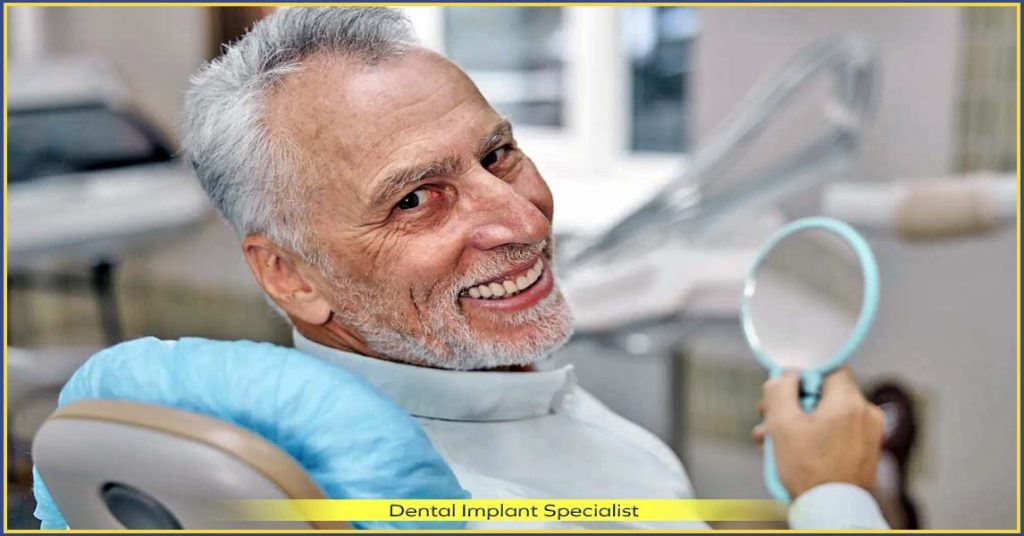
The keys to a successful dental implant procedure: a prepared patient and an experienced implantologist
Introduction
A successful dental implant procedure is never the result of a single element. Instead, it is the outcome of a carefully coordinated process built on three essential pillars: the right implant system and surgical method, the patient’s active and conscious preparation, and the expertise of a highly trained implantologist supported by a professional clinical team. Today, dental implants represent the most advanced and reliable solution for replacing missing teeth, offering long‑term stability, natural aesthetics, and full chewing function. With modern technology, even a full arch restoration on immediate‑load implants can be completed in as little as seven days, making the treatment faster and more predictable than ever before. This article explores the key factors that determine dental implant success and highlights what both the patient and the specialist must contribute to achieve an outstanding result.
Choosing the Right Implant and Implantation Method
The foundation of a successful dental implant procedure begins with selecting the appropriate implant system and surgical approach. Although several implant types exist, each with its own advantages, they all share the same purpose: replacing the natural tooth root with a stable, long‑lasting artificial alternative.
Traditional two‑phase implants remain widely used in general dental practices. This method involves placing the implant during the first surgical phase, followed by a healing period of four to six months. During this time, osseointegration occurs — the process in which the implant fuses with the bone. Only after this healing period can the final restoration, such as a crown, bridge, or full arch, be attached. While reliable, this approach requires patience and multiple visits.
In contrast, one‑phase immediate‑loading implants offer a modern, streamlined solution. With this method, both the implant placement and the temporary restoration occur within the same treatment cycle. The major advantage is that the implants can be loaded immediately, meaning the patient receives a durable temporary restoration within approximately seven days. This temporary set of teeth closely resembles the final restoration in both function and aesthetics, allowing the patient to avoid the discomfort of being without teeth during the healing period.
The All‑on‑4 concept is another innovative option, particularly beneficial for patients with reduced bone mass. By placing two implants vertically in the front and two angled implants in the back, the available bone is used efficiently, often eliminating the need for bone grafting. A temporary restoration can typically be attached on the day of surgery, enabling immediate function.
The All‑on‑6 method follows the same principles but includes an additional implant on each side when bone conditions require extra support. This approach provides enhanced stability and is ideal for patients with moderate bone loss.
Selecting the right method depends on the patient’s anatomy, health status, and long‑term goals. A thorough diagnostic evaluation ensures that the chosen implant system aligns with the patient’s needs and maximizes the chances of long‑term success.
The Importance of the Patient’s Conscious Preparation
A successful dental implant procedure is not solely the responsibility of the implantologist. The patient plays an equally important role, and their preparation significantly influences the outcome. Conscious cooperation, adherence to medical instructions, and a proactive mindset are essential throughout the entire process.
Preparation begins well before the procedure. During the initial consultation, the patient should ask all relevant questions and gain a clear understanding of the treatment steps, potential risks, and expected healing timeline. A well‑informed patient experiences less anxiety and is better equipped to follow instructions accurately.
It is crucial for the implantologist to be aware of all chronic medical conditions, such as diabetes or osteoporosis, as well as any medications the patient takes, especially blood thinners. Unmanaged health issues can increase the risk of complications and negatively affect healing.
Smoking is one of the most significant risk factors for implant failure. It reduces blood flow, slows healing, and interferes with bone integration. Patients are strongly advised to stop smoking several weeks before and after the procedure to ensure optimal results.
A clean, inflammation‑free oral environment is essential. Professional dental cleaning and proper at‑home oral hygiene reduce the risk of infection and support smooth healing.
On the day of the procedure, mental and physical calm are vital. Arriving well‑rested and relaxed enhances cooperation and reduces stress. Following all pre‑operative instructions regarding eating, drinking, and medication is mandatory.
The healing period after surgery is equally important. The patient must follow all instructions precisely, including the use of prescribed painkillers, antibiotics, and mouth rinses. Strenuous physical activity should be avoided, and the surgical site must not be touched or exposed to suction forces.
A soft diet is recommended during the first few days, avoiding hot, spicy, or hard foods. Meticulous oral hygiene is essential, using the gentle cleaning techniques recommended by the implantologist to protect the surgical area.
Follow‑up appointments are not optional. These visits allow the specialist to monitor healing, identify potential issues early, and ensure that the implants are integrating properly.
The Guarantee of Expertise: The Implantologist and the Clinic
The third pillar of a successful dental implant procedure is the expertise of the implantologist and the quality of the clinic. Even the best implant system cannot compensate for inadequate surgical technique or insufficient experience.
Successful full arch restoration in as little as five days requires precise, coordinated teamwork. The implantologist, dental technician, and clinical assistants must work together seamlessly to ensure accuracy, efficiency, and high‑quality results.
Cutting‑edge technology and premium materials are essential components of modern implantology. Using internationally certified implant systems, advanced digital planning tools, and state‑of‑the‑art sterilization equipment ensures safety, precision, and long‑term reliability.
Internationally recognized expertise further enhances treatment success. A specialist with decades of experience in implant‑based restorations brings invaluable knowledge, refined technique, and the ability to manage even complex cases with confidence. This level of expertise provides true value for patients seeking predictable, long‑lasting results.
Summary
A successful dental implant procedure is a complex, multi‑step process that requires the perfect alignment of technology, patient cooperation, and professional expertise. With modern advancements and a high standard of dental care, Hungary has become a leading destination for implant‑based treatments. Our clinic is proud to meet these high expectations, offering premium quality, advanced technology, and decades of experience. By combining the right implant system, a well‑prepared patient, and an expert implantologist, we ensure predictable, long‑lasting, and aesthetically outstanding results for every patient.
In our Blog section, there are many writings on the following topics: dentures with implants, dental implantation with one-phase and two-phase implants, and All-On-4 & All-On-6 technology.
We work with state-of-the-art dental tools, materials, and technologies.
There are 23 years of practical experience, more than 12,000 successful dental implantations, and a 99.7 % success ratio!
iliDent Patient Coordinator © Copyright 2025
iliDent.com