

Oral Inflammation – How It Affects the Whole Body
Introduction
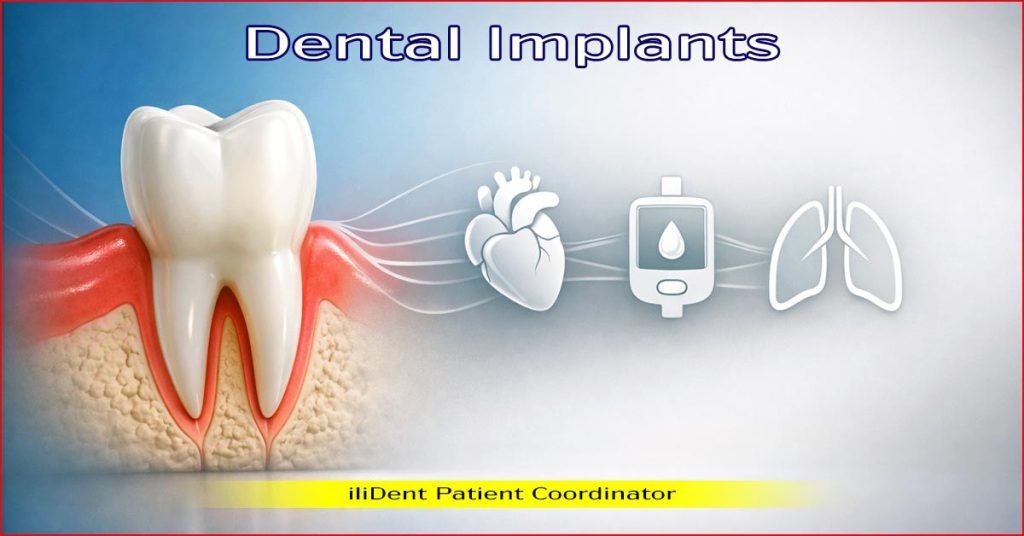
Oral inflammation is far more than a local issue: modern research increasingly shows that the condition of the mouth is closely linked to overall systemic health. Inflammation of the mouth does not only affect the gums, the teeth, or the supporting bone structures—it can also influence major systems such as cardiovascular function, blood sugar regulation, and respiratory health. Recognizing and treating oral inflammation is therefore not merely a dental matter; it is one of the foundations of whole‑body well‑being.
The nature and development of inflammation of the mouth
The most common forms of oral inflammation are gingivitis and periodontitis. These conditions develop in the tissues surrounding the teeth and are caused by the combined effects of bacteria and the immune system’s response. Inflammation often begins mildly and may be symptom‑free, but over time it can worsen and compromise the stability of the teeth. Inflammatory mediators and bacteria do not remain confined to the mouth—they can enter the bloodstream and travel to other parts of the body.
Cardiovascular Connections
Cardiovascular diseases are among the leading causes of death worldwide, and research indicates that inflammation of the mouth can significantly increase this risk. Bacteria and inflammatory substances originating from inflamed gums may enter the bloodstream and contribute to damage within the arterial walls. This process can accelerate atherosclerosis, a major underlying factor in heart attacks and strokes. Oral inflammation therefore affects not only the condition of the teeth but also the function of the circulatory system. Regular dental checkups and early treatment of inflammation play a meaningful role in protecting heart health.
The two‑way relationship between diabetes and inflammation of the mouth
Diabetes and oral inflammation are closely interconnected. Elevated blood sugar levels increase susceptibility to inflammation, making gingivitis and periodontitis more common among people with diabetes. At the same time, inflammation of the mouth can worsen blood sugar control because inflammatory processes influence insulin sensitivity. This creates a vicious cycle: diabetes exacerbates oral inflammation, and inflammation of the mouth makes diabetes management more difficult. Maintaining healthy teeth and gums is therefore essential for every diabetic patient.
Respiratory diseases and oral inflammation
Bacteria present in the mouth can be inhaled into the lungs, where they may cause infections. This is particularly dangerous for older adults or individuals with weakened immune systems. The risk of pneumonia and other respiratory diseases increases when mouth inflammation persists. Gum inflammation affects not only the mouth but also the health of the respiratory system. Proper oral hygiene and timely treatment of inflammation therefore play a role in preventing respiratory infections.
Oral inflammation and other chronic conditions
Research continues to explore the links between inflammation of the mouth and various chronic diseases. In rheumatoid arthritis, for example, oral inflammation has been shown to worsen joint symptoms. Its role is also being investigated in certain cancers, such as oral and pancreatic cancer. Pregnancy complications—including preterm birth and low birth weight—have also been associated with oral inflammation. Gum inflammation is therefore not merely a local issue; it can influence the functioning of the entire body.
Impact on the Immune System
mouth inflammation affects not only local tissues but also the immune system. Chronic inflammation keeps the immune system in a constant state of alert, which can lead to long‑term exhaustion. The body must devote more energy to maintaining the inflammatory process, leaving fewer resources available to fight other infections or illnesses. This is why individuals with chronic oral inflammation may experience more frequent colds, respiratory symptoms, or slower recovery. Gum inflammation increases the overall burden on the immune system.
The role of oral hygiene in whole‑body health
Preventing inflammation of the mouth begins with thorough and consistent oral hygiene. Brushing twice daily, using interdental cleaning tools, and attending regular dental checkups all contribute to maintaining healthy teeth and gums. Early detection and treatment of inflammation protect not only dental stability but also systemic health. Oral hygiene is therefore not merely an aesthetic concern—it is a fundamental component of overall wellness.
Daily quality of life
Oral inflammation affects everyday life. Inflamed gums may cause sensitivity, bleeding, or discomfort, making eating, chewing, and speaking more difficult. Many patients report avoiding harder foods, which can lead to long‑term nutritional imbalance. Bad breath caused by inflammation can also create social discomfort. Gum health is therefore not only a medical issue but a key factor in daily quality of life. Treating inflammation restores comfort, confidence, and natural eating habits.
Early warning signs
Early signs of mouth inflammation are often subtle but important to recognize. These include bleeding gums during brushing, sensitivity around the teeth, swollen or red gums, and persistent bad breath. These symptoms indicate that inflammatory processes have begun in the tissues surrounding the teeth. Early detection allows for timely intervention, preventing more severe periodontal disease and loss of dental stability. Regular dental checkups are essential, as early‑stage inflammation is easily treatable.
Treatment and prevention
Treating inflammation of the mouth involves several steps. During a dental examination, the cause of inflammation is identified, and plaque and tartar are removed. In more advanced cases, deep cleaning or other periodontal treatments may be necessary. Treatment does not end in the dental office—patients must maintain proper oral hygiene at home. Preserving gum health is a long‑term process that requires cooperation between dentist and patient.
Summary
Oral inflammation affects not only the condition of the teeth and gums but also the health of the entire body. Cardiovascular disease, diabetes, respiratory infections, and other chronic conditions may all be linked to oral inflammation. Recognizing and treating oral inflammation is therefore a crucial step in maintaining overall health. Proper oral hygiene, regular checkups, and timely treatment support the well‑being of the entire body.
In our Articles section, you can find numerous articles on dental implants, single-stage and two-stage implant placement, as well as All-on-4 and All-on-6 technologies. We work with the most modern equipment and materials, backed by over 30 years of experience, 35,000 successful implant placements, and a 99.7% success rate. Get answers to your questions in our Fogpótlás Implantátummal | Dental Implants Facebook group.
iliDent Patient Coordinator © Copyright 2026
iliDent.com