
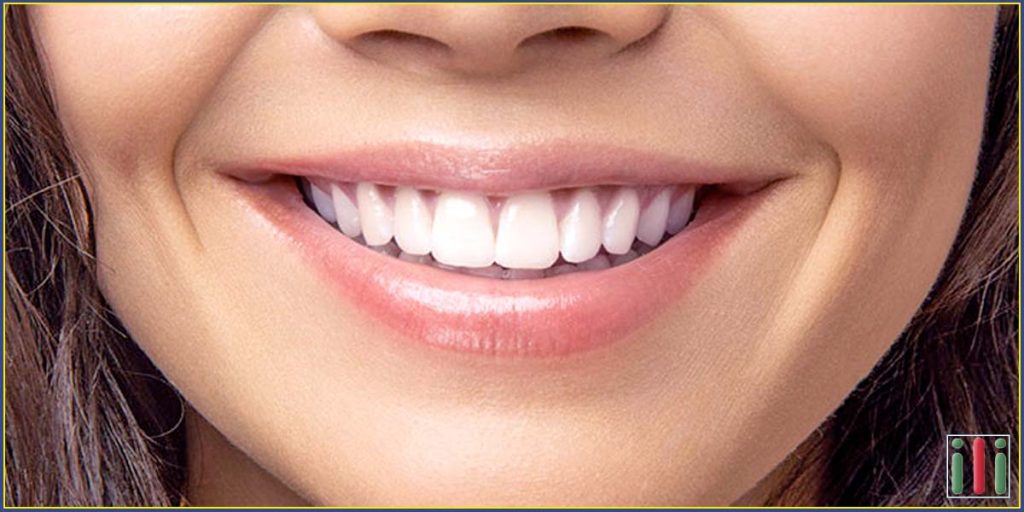
Dental Implants have significant benefits over traditional prosthesis
Introduction
Modern dentistry offers several advanced solutions for replacing missing teeth, yet few options provide the long‑term stability, functionality, and health advantages that dental implants do. The benefits of dental implants extend far beyond aesthetics: they restore chewing efficiency, protect the jawbone, and offer a durable, fixed alternative to traditional removable dentures. As implant technology continues to evolve, more patients choose implant‑based restorations to regain full oral function and long‑term comfort. This article presents the essential advantages of implant‑supported dentures and explains why they are considered the most reliable solution today.
About dental implants in general
Dental implants are artificial tooth roots made from biocompatible titanium alloys. When placed into the jawbone, they integrate with the surrounding bone tissue through a natural healing process known as osseointegration. This creates a stable foundation for fixed or removable prosthetic restorations. Unlike traditional dentures, which rely solely on the gums for support, implants anchor the restoration directly to the bone, resulting in superior stability and functionality.
There are two primary implant families used in modern dentistry. The first is the conventional two‑phase implant, which requires a healing period before loading. The second is the one‑phase, or immediate‑loading implant, which allows the restoration to be attached shortly after placement. Both systems are artificial roots, yet they differ significantly in design, surgical protocol, and clinical indications. Regardless of the type, implants help preserve bone structure, maintain facial contours, and provide a long‑lasting solution for tooth replacement.
Dental implants are especially beneficial for patients who have experienced bone loss due to missing teeth. When a natural tooth is lost, the surrounding bone begins to deteriorate because it no longer receives stimulation from the tooth root. Traditional dentures cannot prevent this process, but implants restore the necessary stimulation, helping maintain the structural integrity of the jaw.
How dental implants improve oral function and stability
One of the most significant benefits of dental implants is the dramatic improvement in stability compared to traditional dentures. Removable dentures rest on the gum tissue, which provides only a limited surface for support. As the bone beneath the gums continues to shrink over time, dentures become increasingly unstable, leading to discomfort, difficulty chewing, and irritation of the soft tissues.
Implant‑supported dentures eliminate these issues. Because the implants act as artificial roots anchored in the jawbone, they hold the restoration firmly in place. This stability allows patients to chew efficiently, speak clearly, and enjoy daily activities without worrying about their dentures shifting or slipping. The improved functionality also contributes to better nutrition, as patients can comfortably consume a wider variety of foods.
The enhanced stability of implant‑supported dentures also reduces the risk of gum inflammation. Traditional dentures often rub against the gums, causing irritation and, in many cases, chronic gingivitis. Implants remove this source of friction, resulting in a healthier and more comfortable oral environment.
Aesthetic and structural advantages of implant‑supported restorations
Beyond functional improvements, dental implants offer significant aesthetic benefits. When bone loss progresses due to missing teeth, the facial structure can change, leading to a sunken appearance. Traditional dentures cannot prevent this process, and in some cases, they may even accelerate bone resorption by placing pressure on the gum tissue.
Implants, however, stimulate the jawbone in a way similar to natural tooth roots. This stimulation helps preserve bone density and maintain the natural contours of the face. As a result, implant‑supported restorations provide a more youthful and harmonious appearance.
Another important advantage is the protection of adjacent natural teeth. When a tooth is missing, the neighboring teeth may shift or tilt into the empty space, increasing the risk of gum disease and decay. Implant‑supported restorations prevent this movement by maintaining proper spacing and alignment within the dental arch.
Long‑term reliability and durability
One of the most compelling benefits of dental implants is their long‑term durability. Because implants integrate with the jawbone, they become a permanent part of the oral structure. With proper care, implant‑supported restorations can last a lifetime, making them a more cost‑effective solution in the long run compared to traditional dentures, which often require frequent adjustments or replacements.
Traditional bridges and removable dentures typically need to be repaired or replaced every few years due to wear, changes in bone structure, or loss of stability. Implant‑supported dentures, on the other hand, maintain their fit and function for decades. This long‑term reliability provides patients with peace of mind and significantly reduces the need for ongoing dental interventions.
Why professional expertise matters
Choosing implant‑supported dentures is a significant decision, and the success of the treatment depends heavily on the expertise of the implantologist. Experienced professionals who specialize in both one‑phase and two‑phase implant systems can accurately assess bone quality, select the appropriate implant type, and perform the procedure with precision.
Patients treated by skilled implantologists benefit from predictable outcomes, reduced healing times, and restorations that function and feel like natural teeth. Whether the case involves a single missing tooth or a full‑arch restoration, professional experience plays a crucial role in achieving long‑term success.
Summary
The benefits of dental implants make them the most advanced and reliable solution for replacing missing teeth. They provide superior stability, protect the jawbone, enhance facial aesthetics, and offer long‑term durability unmatched by traditional dentures. Implant‑supported restorations restore full oral function and contribute to better overall health. For anyone seeking a permanent, comfortable, and highly functional solution, dental implants represent the gold standard in modern tooth replacement
In our Article section, there are many writings on the following topics: dentures with implants, dental implantation with one-phase and two-phase implants, and
All-On-4 & All-On-6 technology.
We work with state-of-the-art dental tools, materials, and technologies.
30 years of experience, more than 35,000 successful implant placements, and a 99.7% success rate!
iliDent Patient Coordinator © Copyright 2020
iliDent.com