

Oral rehabilitation with a one-phase implant under general anesthesia, painlessly and discomfort-free
Introduction
A healthy, functional smile is far more than an aesthetic asset—it is a cornerstone of overall well‑being. When teeth become severely damaged, decayed, or unsalvageable, the consequences extend beyond appearance. Chewing becomes difficult, speech may be affected, and chronic inflammation can compromise systemic health. In these situations, full oral rehabilitation becomes essential. One of the most advanced and efficient solutions available today is oral rehabilitation with a one‑phase implant, a method that restores stability, comfort, and confidence with remarkable speed.
Our clinic specializes in this approach, using the immediate loading implant system to replace all teeth in the upper jaw, lower jaw, or both. Because the procedure involves the entire oral cavity and requires absolute comfort and precision, we perform one‑phase implant‑based rehabilitation almost exclusively under general anesthesia. Importantly, the cost of anesthesia is included in the treatment package, ensuring a predictable and stress‑free experience for every patient.
While one‑phase implants are the focus of this method, it is worth noting that other full‑arch solutions—such as All‑on‑4 and All‑on‑6—also offer excellent alternatives for certain cases. These systems use strategically placed implants to support a complete arch of teeth and may be recommended when anatomical or functional considerations call for a different approach. Still, for many patients, especially those with bone deficiency, one‑phase implants provide unique advantages that make them the preferred choice.
What we mean by oral rehabilitation
Oral rehabilitation becomes necessary when no remaining teeth are suitable for long‑term prosthetic care. This may involve the upper jaw, the lower jaw, or both—full oral rehabilitation. In some cases, a few teeth are still present, but they are no longer viable due to decay, mobility, or structural damage. Attempting to “save” such teeth is often only a temporary solution, both medically and financially. A tooth should only be preserved if it can provide reliable, long‑term function. When this is no longer possible, comprehensive rehabilitation becomes the most predictable path forward.
Oral rehabilitation solutions
There are two primary ways to restore a full arch of teeth. The traditional method involves removable dentures held in place by suction and adhesive. While widely used, these dentures often lack stability, reduce chewing efficiency, and may cause discomfort during daily wear.
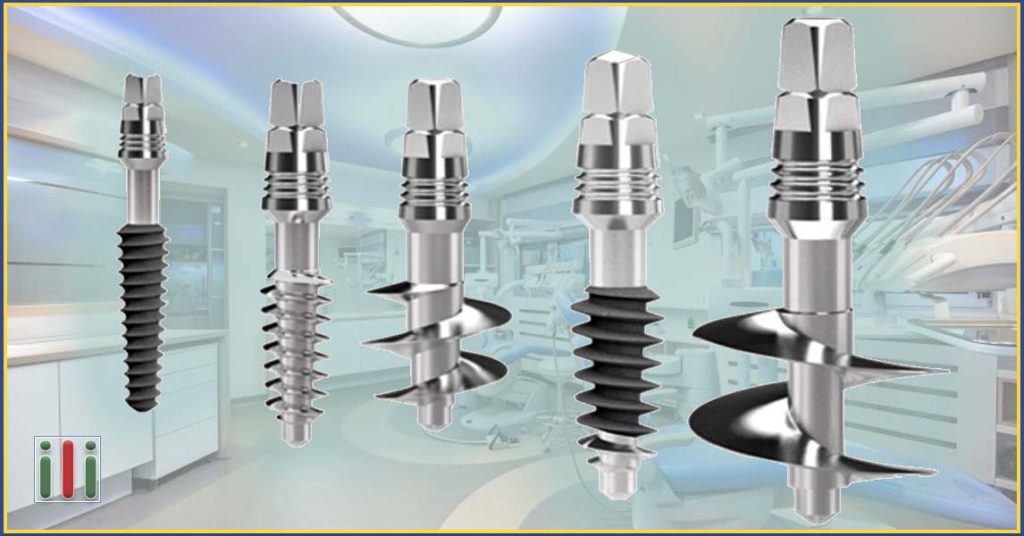
The modern alternative is a set of teeth fixed on dental implants. This includes oral rehabilitation with a one‑phase implant, where the immediate loading implant replaces the natural tooth root and provides a stable foundation for long‑term temporary dentures and, later, permanent restorations. Although both two‑phase and one‑phase implants can replace missing roots, the methods differ significantly. Two‑phase implants require multiple surgeries and specific bone conditions, while one‑phase implants offer greater flexibility, especially in cases of bone deficiency.
Because the one‑phase implant is a single‑piece, immediately loadable system, it allows for faster treatment, fewer surgical steps, and a smoother patient experience. This efficiency contributes to what many patients describe as an Instant Smile or even a Smile‑in‑a‑Day, reflecting the rapid aesthetic transformation made possible by this method.
Before oral rehabilitation with a one‑phase implant
Appointment request
The first step is contacting the clinic. Most patients choose online appointment booking because it is available 24 hours a day and allows them to upload X‑rays or other relevant documents. Others prefer calling the clinic directly or using communication apps such as Facebook, Viber, Messenger, or WhatsApp. These platforms make it easy to reach us, leave a message, or request a callback.
We aim to schedule consultations within a week. The consultation is free, but attending it is essential. Preparing for oral rehabilitation with a one‑phase implant requires both psychological readiness and a clear understanding of the process, and the consultation provides the foundation for this.
Personal consultation
A precise diagnosis is only possible during a personal meeting. This visit allows the patient to meet the oral surgeon, ask questions, and build trust—an important factor in any major dental procedure. During the consultation, we perform a detailed examination supported by imaging.
X‑ray and CBCT imaging
Both panoramic X‑ray and CBCT scans are necessary. While the X‑ray provides a two‑dimensional overview, CBCT offers a three‑dimensional, highly detailed image of the jawbone. This technology is essential for planning implant placement, determining the number of implants needed, and identifying the most stable bone areas.
Implant placement—regardless of implant type—is impossible without accurate imaging. The implantologist must fully understand the condition of the bone and surrounding structures to ensure safe and predictable results.
Medical evaluation
A successful procedure also requires understanding the patient’s general health. We review medical history, medications, allergies, previous anesthesia experiences, and overall well‑being. Once all information is gathered, the implantologist explains the available options and prepares a treatment plan and price quote, valid for three months.
We also provide detailed information about general anesthesia, including the required preliminary tests such as laboratory work and EKG.
Once the consultation, imaging, and medical evaluation are complete, the patient is ready to begin the actual treatment process. Oral rehabilitation with a one‑phase implant is a complex, full‑mouth procedure, and general anesthesia ensures that the entire experience is completely pain‑free and comfortable from start to finish.
Consultation with the anesthesiologist and anesthesia
Before surgery, the patient meets with the anesthesiologist, who reviews the laboratory and EKG results, discusses medical history, and explains how anesthesia will be administered. When everything is in order, general anesthesia begins, and the oral rehabilitation procedure starts immediately afterward. This approach ensures that the patient remains relaxed, unaware, and entirely free of discomfort throughout the multi‑hour intervention.
Removal of teeth unsuitable for prosthetic treatment
Most patients still have some remaining teeth, but these are often damaged, decayed, or structurally compromised. Since they cannot support long‑term prosthetic solutions, they must be removed before implant placement. Tooth extraction is usually straightforward, though occasionally a tooth root embedded deep in the bone may require more careful removal. Once the oral cavity is fully cleared, the implantologist can begin placing the implants.
Implant placement
This is the most critical phase of oral rehabilitation with a one‑phase implant. The surgeon places the immediate loading implants into the tooth‑bearing bone or, when necessary, into the jawbone. Because these implants are single‑piece and immediately loadable, they pass through the gum tissue and anchor securely into the bone in one step.
Depending on the patient’s anatomy, 8–10 implants are typically required per arch. After placement, an X‑ray is taken to confirm that each implant is positioned exactly as planned. Sutures are removed after 5–7 days.
Long‑term temporary denture
The first stage of rehabilitation concludes with the fabrication and delivery of long‑term temporary dentures. These dentures are fixed to the implants and provide full function and aesthetics during the healing period. The patient returns the day after surgery for a control check, and additional follow‑ups occur as needed until suture removal. Afterward, impressions are taken for the dental framework that will support the final restoration.
This phase is often described by patients as an Instant Smile or even a Smile‑in‑a‑Day, because they leave the clinic with a complete, functional set of teeth only days after surgery.
Permanent denture
The second stage of oral rehabilitation with a one‑phase implant takes place approximately six months later, once osseointegration is complete. The process requires three visits over the course of a week:
- First visit: X‑ray, removal of the long‑term temporary denture, and taking impressions.
- Second visit: Framework test to ensure perfect fit and stability.
- Third visit: Testing and final bonding of the permanent porcelain denture.
The permanent restoration is fixed and cannot be removed by the patient. It is designed to match natural tooth color, shape, and proportions, ensuring a seamless and durable result. The cost of the permanent denture is not included in the initial implantation package. After completion, the patient receives detailed instructions on oral hygiene, follow‑up appointments, and long‑term maintenance.
Why general anesthesia is necessary
While many dental procedures—including single‑tooth implant placement—can be performed under local anesthesia, full‑mouth rehabilitation is different. Two key factors make general anesthesia essential:
The entire oral cavity is involved
When both jaws, all remaining teeth, and the jawbone are treated simultaneously, the area is simply too large for effective local anesthesia. Complete pain relief is crucial for both patient comfort and surgical precision.
It is a long‑duration procedure
Full‑mouth rehabilitation can take up to four hours or more. Maintaining effective local anesthesia for such a long period is extremely difficult. General anesthesia ensures stable, predictable conditions throughout the entire operation. For these reasons, oral rehabilitation with a one‑phase implant is performed under general anesthesia in our clinic. This ensures maximum comfort, safety, and efficiency.
Summary
Oral rehabilitation with a one‑phase implant offers a comprehensive, predictable, and highly efficient solution for patients who require full‑mouth restoration. The immediate loading implant system allows for rapid functional and aesthetic improvement, while general anesthesia ensures a completely pain‑free experience. The process unfolds in two major stages: placement of the implants and long‑term temporary dentures, followed months later by the permanent restoration.
Although one‑phase implants are often the ideal choice—especially in cases of bone deficiency—other full‑arch solutions such as All‑on‑4 and All‑on‑6 remain valuable alternatives. With proper planning, advanced imaging, and the expertise of an experienced implantologist, patients can regain full oral function and enjoy a stable, natural‑looking smile for many years.
In our Articles section, you can find numerous articles on dental implants, single-stage and two-stage implant placement, as well as All-on-4 and All-on-6 technologies. We work with the most modern equipment and materials, backed by over 30 years of experience, 35,000 successful implant placements, and a 99.7% success rate. Get answers to your questions in our Fogpótlás Implantátummal | Dental Implants Facebook group.
iliDent Patient Coordinator © Copyright 2026
iliDent.com